IBDS
Institute of Behavioural and Decision Science (行為與決策科學研究所)
Events
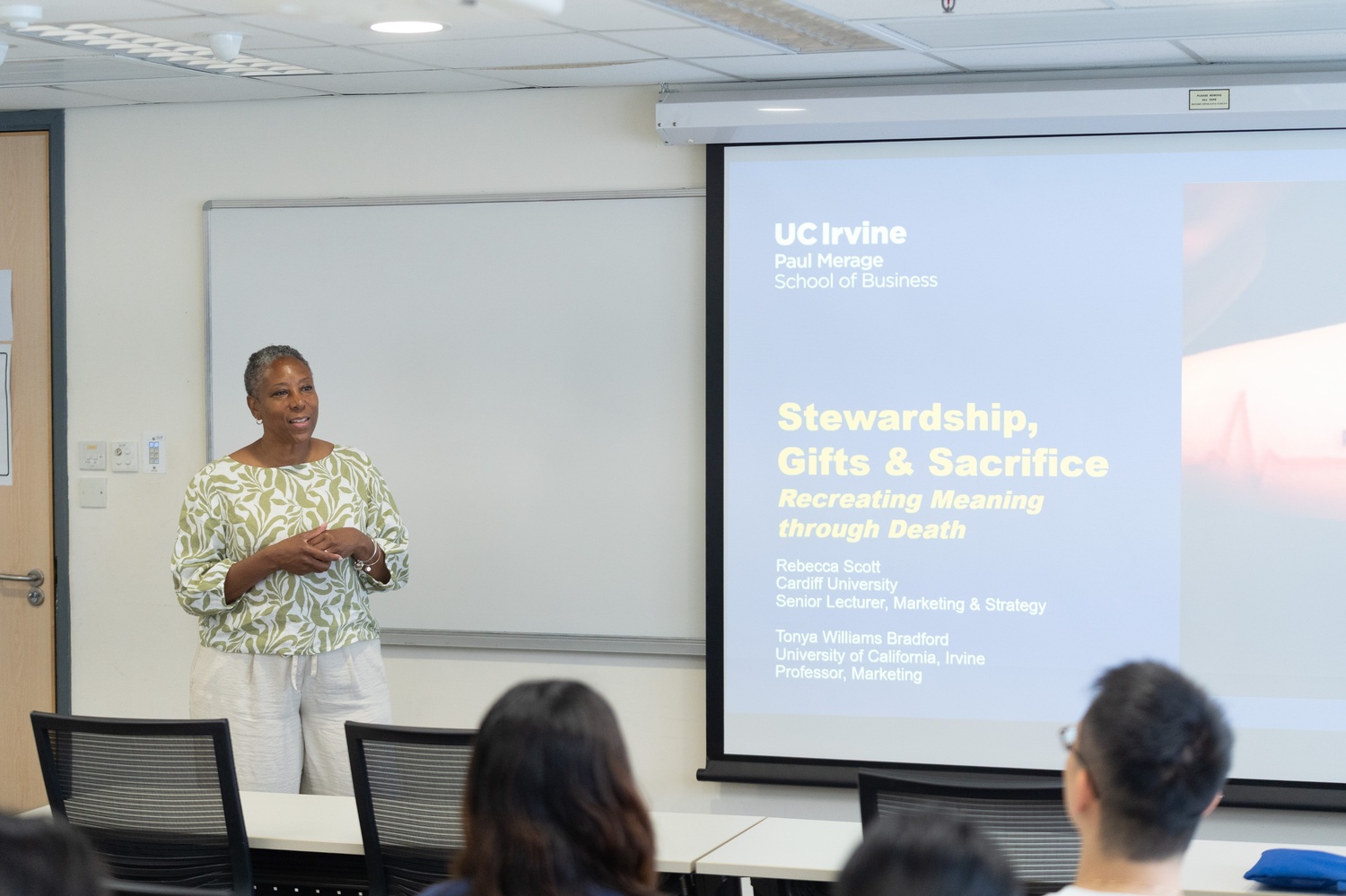
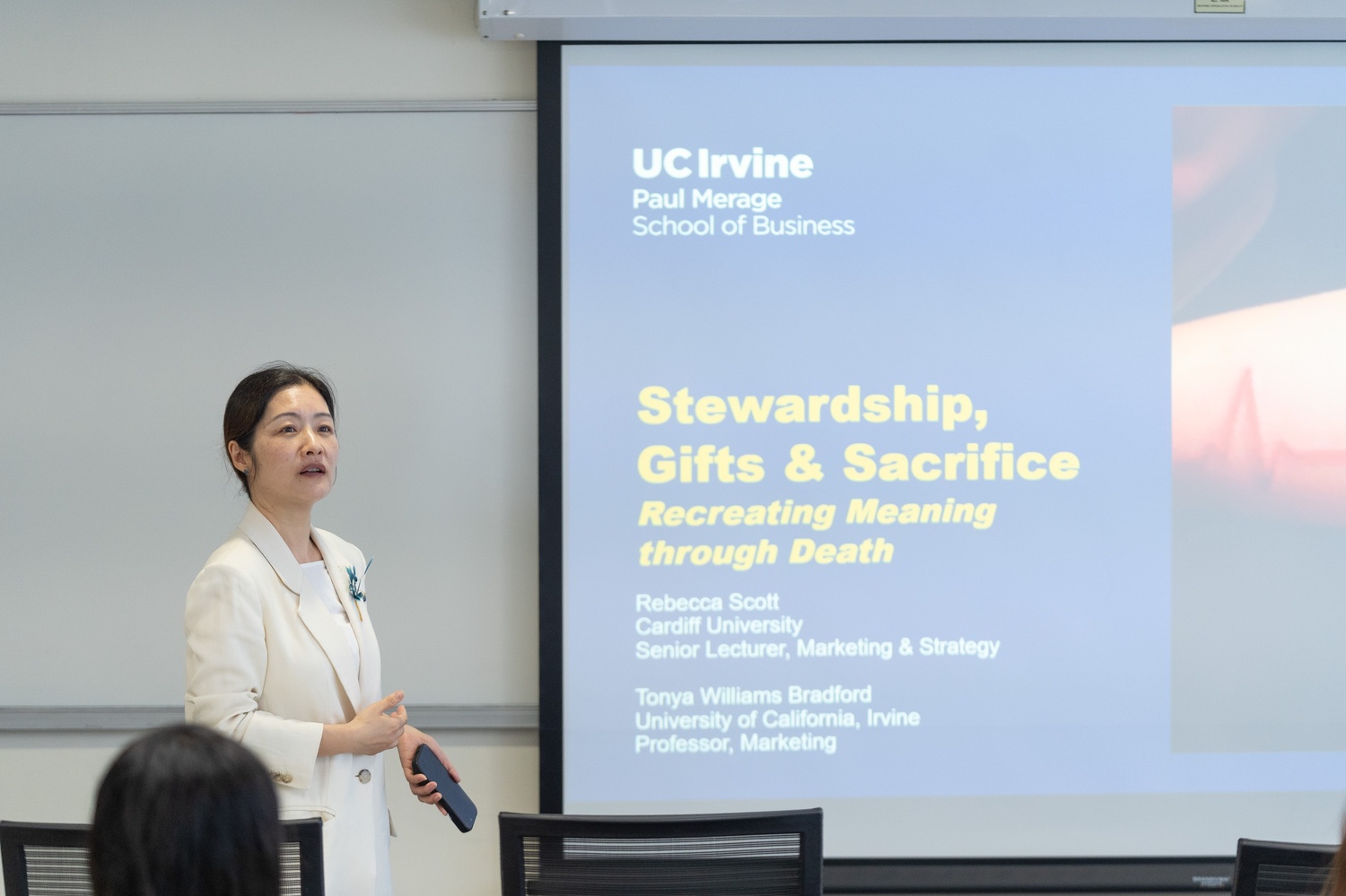
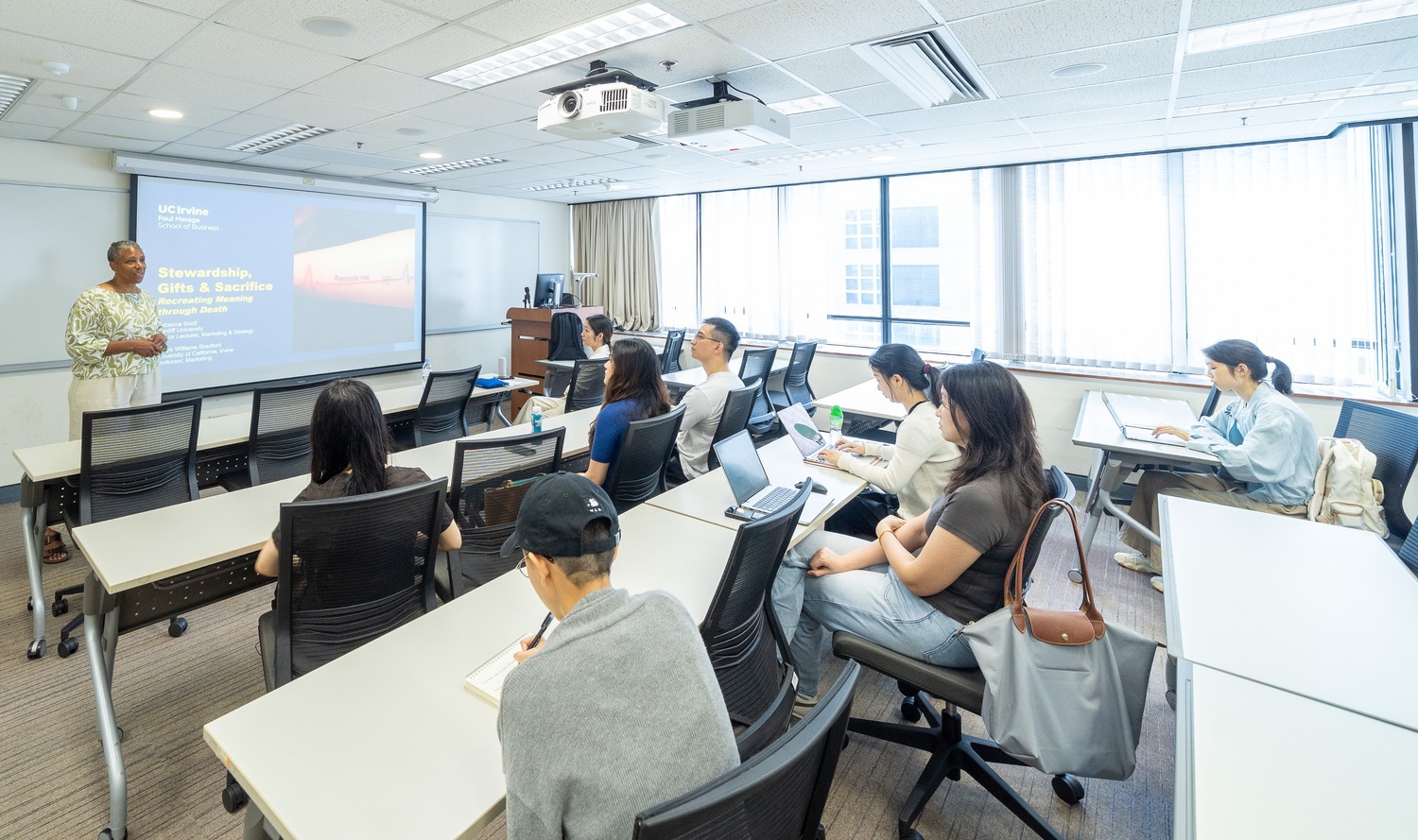
IBDS Seminar - Stewards of Sacrifice: Recreating Meaning Through Death
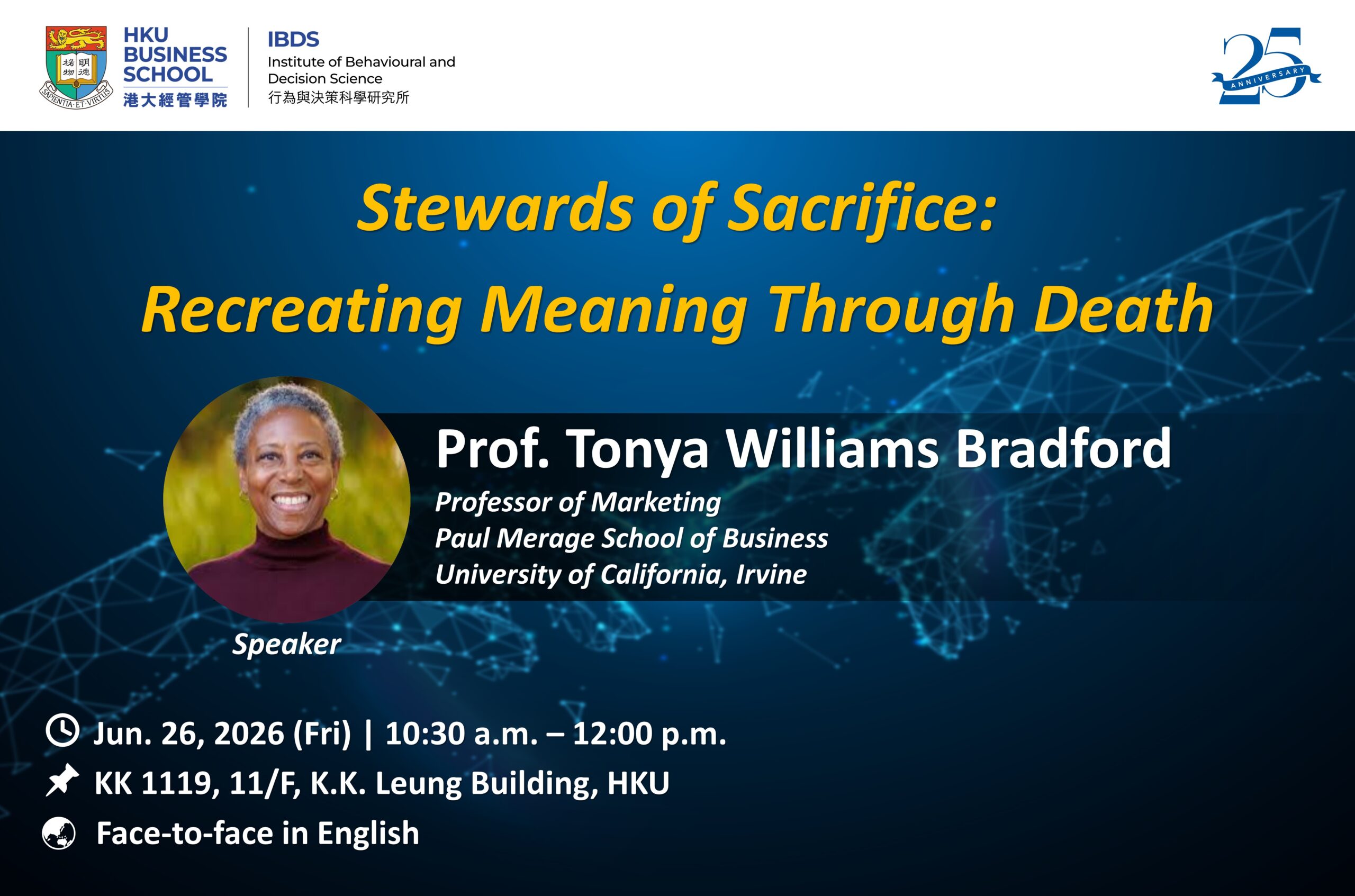
Speaker:
Prof. Tonya Williams Bradford
Professor of Marketing
Paul Merage School of Business
University of California, Irvine
Bio:
Tonya Williams Bradford is a Professor of Marketing and Inclusive Excellence Term Chair Professor (2021 – 2024). She earned her PhD (as well as her MBA and BA) at Northwestern University. Her research focuses on rituals and identity across phenomenon including gifting (e.g., registry, organ, charitable), relationships with money, communities (e.g., tailgating and support), acculturation, and consumer-brand relationships.
Dr. Bradford enjoys working on research with colleagues and students as well as sharing marketing insights through courses. Her research is published in premier journals in marketing such as the Journal of Consumer Research, Journal of Marketing, Journal of Retailing, Journal of Business Research, Journal of Interactive Marketing, Journal of the Academy of Marketing Science, Marketing Theory, Journal of Marketing Management, Research in Consumer Behavior. In addition, Professor Bradford has published papers within edited books.
Abstract:
Organ donation, a life-enhancing or life-saving gift, is only possible due to donors. Living donors intentionally document their decision to participate. However, deceased or dying individuals may not have done so during their lifetime, in which case loved ones can choose organ donation on their behalf. Research finds that living organ donation is possible through sacrifice. In our ethnographic study, we examine organ donation in the context of family members agreeing to their dying loved one’s participation where those donors are deemed to already have sacrificed through death. We investigate the impact of the experiences of death and deceased organ donation through bereaved family members. We find that organ donation does not change the sense of loss; rather, it transforms the meaning of death from that which is perceived as bad to what may be considered good. We reveal how this transformation results as both the bereaved and deceased invest sacrifice, with the family negotiating roles as relationship partner with and steward for the deceased. We then describe the influence of such roles on meanings associated with death. Finally, we present opportunities for future research stemming from these findings.